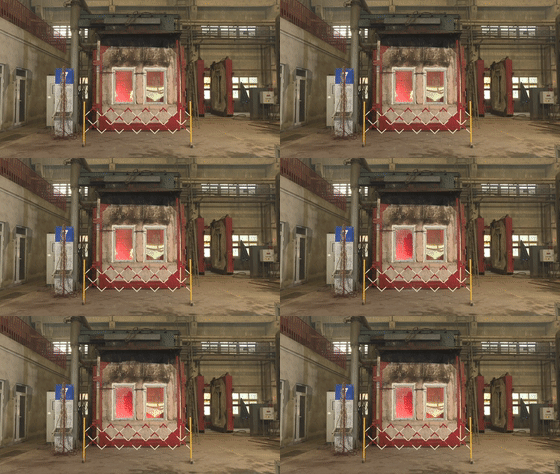
Standard architectural glazing—tempered glass, insulating glass units (IGU), float glass and coated glass—provides no fire resistance and will fracture when exposed to high temperatures, allowing fire and smoke to spread. Fire-rated glass is designed to withstand furnace-level heat, maintain a barrier against flames and smoke, and preserve evacuation routes.
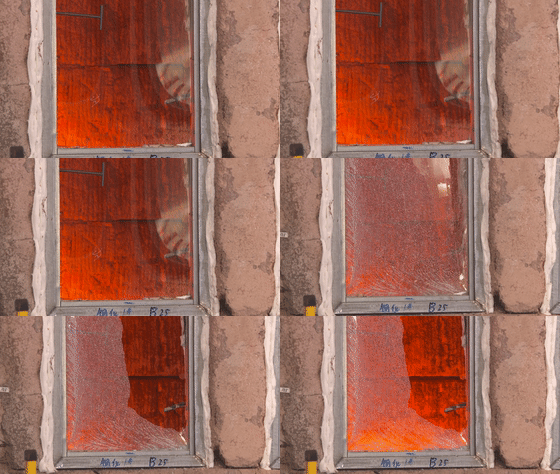
It falls into two structural categories. Monolithic non-insulating fire-rated glass (integrity only, “E” class)—typically produced by caesium-potassium ion exchange that replaces surface sodium with low-expansion silicate—remains intact under thermal load. It blocks flames and smoke on the exposed face but does not provide thermal insulation. Laminated insulating fire-rated glass (“EI” class) contains composite layers that undergo a physicochemical change when heated, expanding into a rigid fire-resistant board. This type blocks flames, smoke and high temperatures.
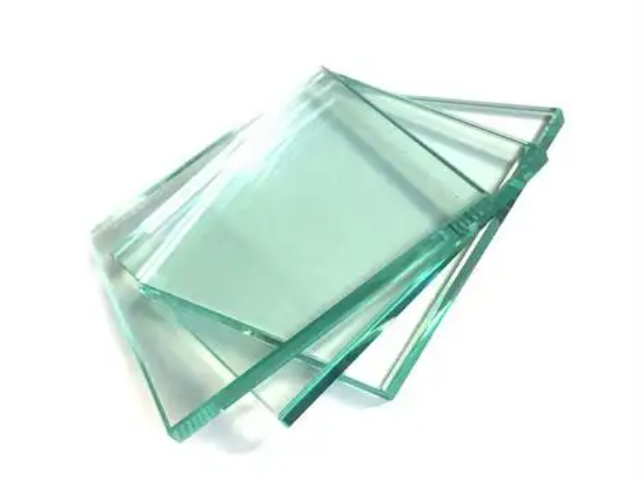
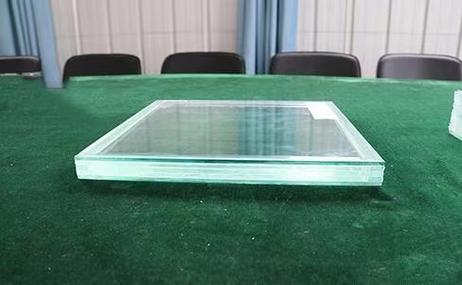
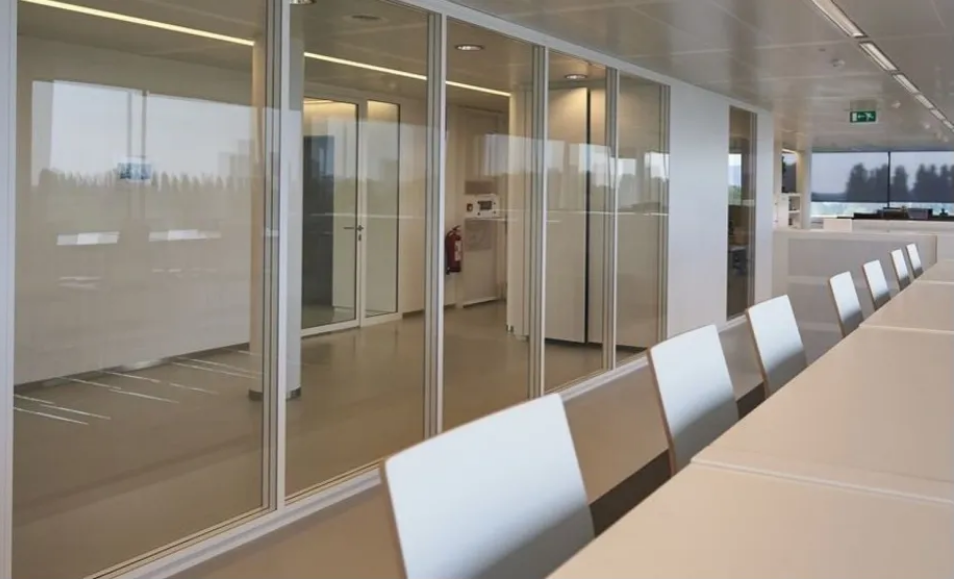
Both types are used in fire-rated external curtain walls, fire doors, fire windows and internal fire-rated partitions.
In a comparative furnace test, ordinary glazing and monolithic non-insulating fire-rated glass were installed in identical steel frames fixed to concrete or brick backing. Once the furnace was ignited, the ordinary glass fractured within five minutes.
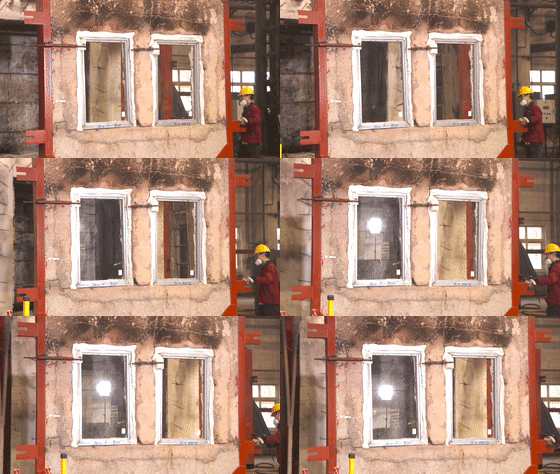
The monolithic non-insulating fire-rated glass maintained its integrity for the full 1.5-hour test duration.