
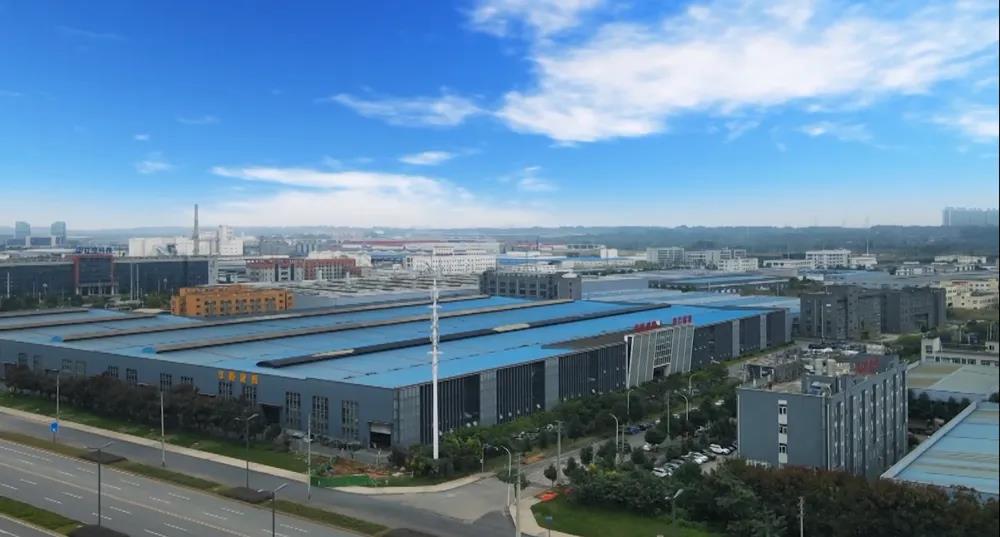
Sichuan Xionggang Glass operates a roughly 70,000 m² fabrication plant equipped with more than 80 major processing machines. The line-up includes five imported Italian high-precision automatic cutting lines, eight automatic edging lines, six imported insulating glass unit lines, two laminated glass lines, one ceramic frit line, three automatic dual-chamber tempering furnaces with curved-glass capability, one high-stress cyclic tempering furnace dedicated to monolithic non-insulating fire-rated glass (integrity only, “E” class), one laminated non-insulating fire-rated glass line, one fire-rated glass CNC fire-test furnace and one heat soak furnace. Annual combined output exceeds 3.5 million m².
Fire-rated glass
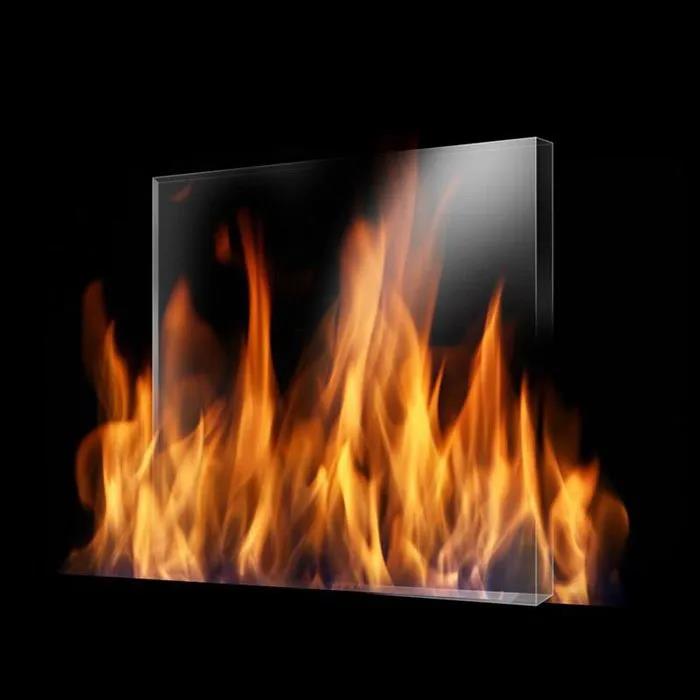
The plant produces borosilicate fire-rated glass characterised by low spontaneous-breakage rates and uniform stress distribution. It can be installed as single glazing in curtain walls or further processed into coated, laminated, IGU or ceramic frit assemblies for fire windows, fire partitions and fire doors.
High-strength monolithic non-insulating fire-rated glass (integrity only, “E” class) and laminated non-insulating fire-rated glass are also available. Both offer low thermal expansion and resistance to thermal shock; the products withstand high-temperature fire resistance testing without fracture.
Tempered and curved tempered glass
Tempered glass is produced with surface compression that gives it four to five times the mechanical strength of float glass. On fracture it disintegrates into small, blunt particles.
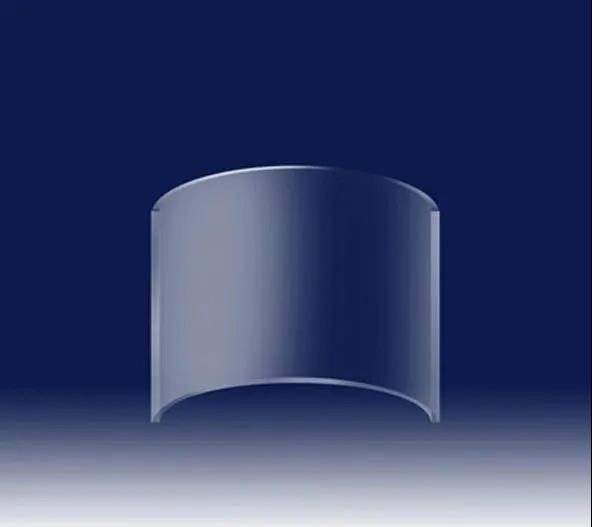
Curved tempered glass is formed to specified radii for curved curtain walls, skylights, balconies, railings, partitions, furniture and appliance applications.
Insulating glass units
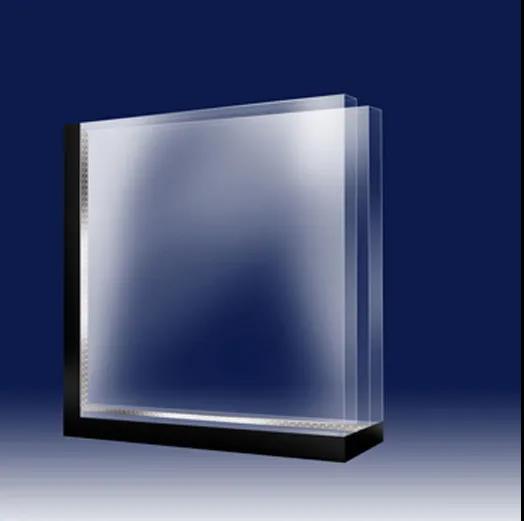
Standard IGUs are built with two or more glass lites, aluminium perimeter spacers containing desiccant and a high-strength dual-seal system for acoustic and thermal performance.
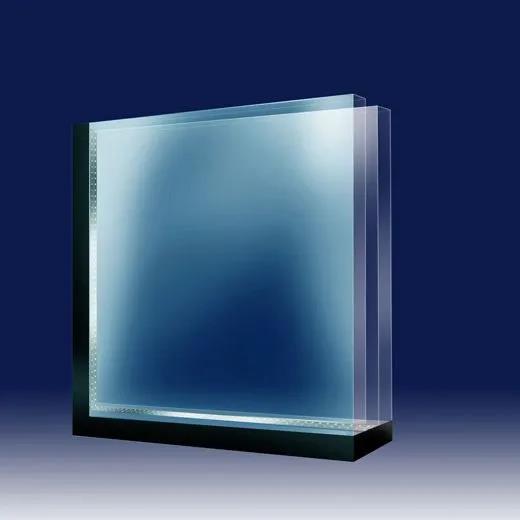
Low-E IGUs use coated glass with emissivity below 0.15, down from 0.84 for uncoated float. The units improve solar control, thermal performance and sound attenuation.
Laminated and ceramic frit glass
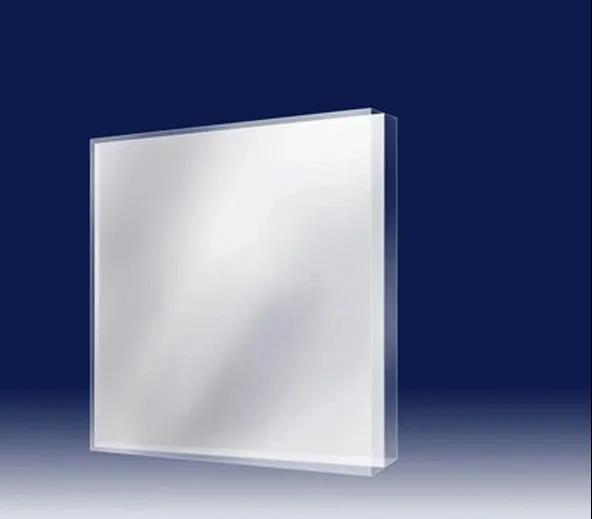
Laminated glass is produced with PVB or SGP interlayers under heat and pressure. The construction retains glass fragments after breakage, meeting safety-glazing requirements.
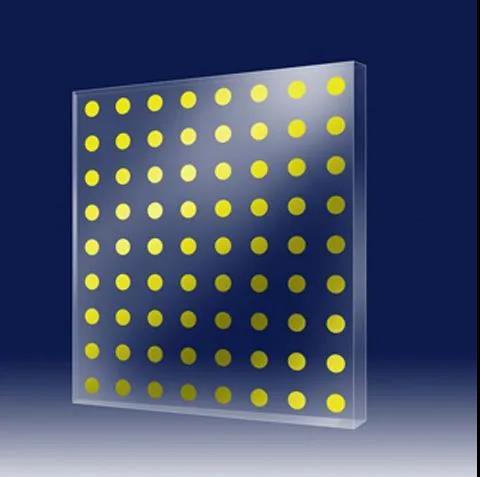
Ceramic frit glass (a.k.a. screen-printed glass) is manufactured by screen-printing or roller-coating inorganic enamel onto the surface, then tempering it to permanently sinter the frit. It offers chemical resistance and durable colour for architectural decoration.
Solar, furniture and shower-enclosure glass
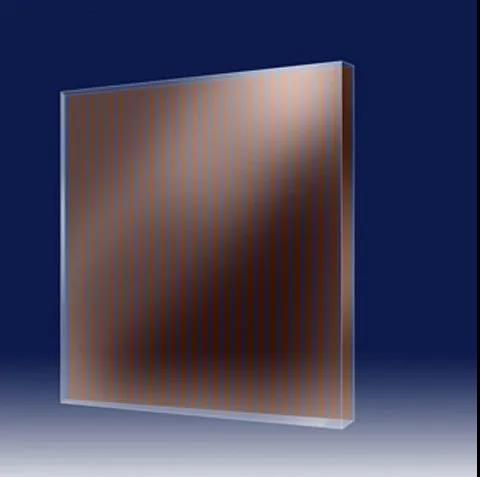
A coated solar glass is supplied for building-integrated photovoltaics, PV roofs, shading systems and solar power arrays.
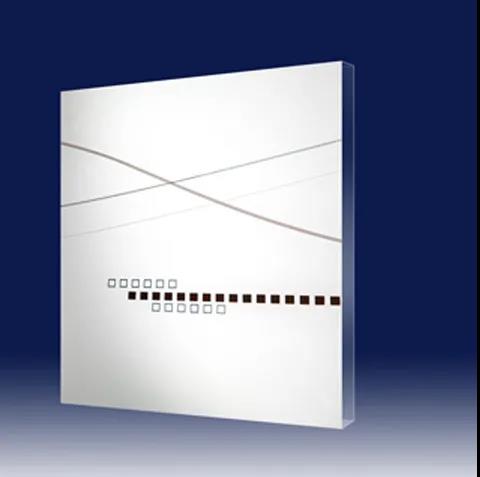
Furniture glass is offered for interior fittings that require impact resistance and load-bearing capability.
Shower-enclosure glass is supplied as fully tempered straight or curved panels.